What Ethological Secrets Improve Your Dog’s Obedience?
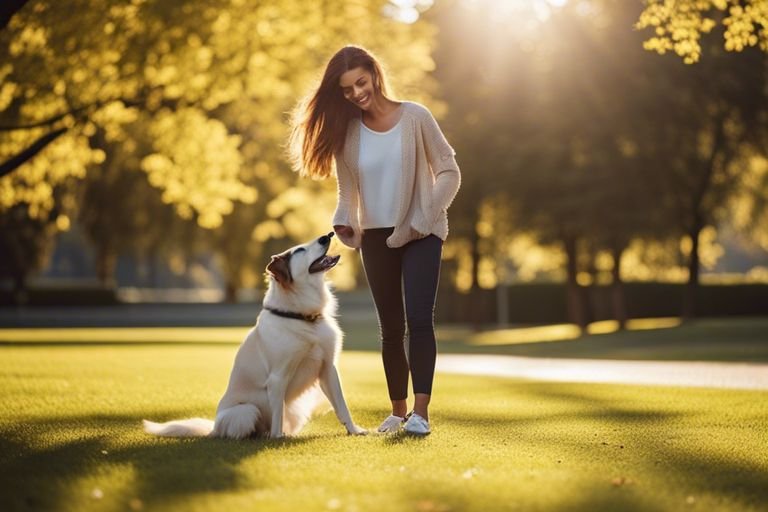
Over time, understanding canine social instincts and natural communication helps you shape clear, humane training: use consistent reward-based reinforcement, respect pack dynamics by offering leadership without force, and interpret body language so you can prevent escalation; avoid harsh corrections because they produce fear and aggression, and emphasize short, frequent sessions that build trust-this ethological approach gives you safer, more reliable obedience and strengthens your bond.
Key Takeaways:
- Use clear, consistent body language and signals that match canine social cues-dogs interpret posture, eye contact, and movement faster than words.
- Reinforce behaviors immediately with rewards tied to natural motivations (food, play, social praise) and keep sessions short and predictable to maintain attention.
- Provide steady routines and calm, confident leadership with controlled access to resources to reduce anxiety and increase willingness to comply.
Understanding Ethology
You apply ethological insight by watching context: how your dog greets strangers, uses scent, and sequences play. Konrad Lorenz and Niko Tinbergen framed methods still used today, and you can map instincts like prey drive, scenting, and social play onto everyday training. Pay attention to the socialization window (3-14 weeks), fixed-action patterns such as chase initiation, and subtle signals-misreading a stiff tail or whale eye can turn a play session into a fight.
Key Concepts in Ethology
You focus on observable behaviors, causation, development, function and evolution: how a behavior starts, what triggers it, and what it achieves. For dogs that means noting motivation (food, play, avoidance), communication (play bow, growl nuances), and learned versus innate responses; apply fixed-action patterns like hunting sequences to channel energy into safe outlets rather than suppression.
Importance of Ethology in Dog Training
You align training with species-typical needs to get faster, more resilient results: using sniffing exercises for scent-driven breeds, play as reward for high prey-drive dogs, and gradual exposure during that 3-14 week window to prevent fear. Ethology-based methods help reduce stress signals and lower relapse into problem behaviors while avoiding misapplied dominance techniques that increase fear and aggression.
For example, when addressing leash reactivity you can reframe the issue as redirected social arousal: teach alternative behaviors by rewarding calm attention, add structured sniff breaks, and simulate controlled social approaches. Shelter enrichment studies show species-appropriate activities lower stress indicators and improve adoptability; in practical terms, you’ll cut training time and unwanted incidents by channeling innate drives into purposeful tasks rather than suppressing them.
Communication Cues
Body Language of Dogs
You’ll read tails, ears, and posture like a language: a high, stiff tail and a direct stare often predict escalation, while a low wag and relaxed mouth signal calm. Turid Rugaas cataloged about 30 calming signals-yawning, lip-licking, head-turning-that indicate stress before aggression. Use those cues: if your dog freezes or shows whale-eye, back off and reset the exercise. Watching micro‑signals lets you intervene early and keep training safe and effective.
Human-Dog Interaction
You must make cues consistent: use a single word or clicker, deliver a treat within 1-2 seconds of the desired behavior, and keep sessions to 5-10 minutes, twice daily. Mutual gaze raises oxytocin in both you and your dog (Nagasawa et al., 2015), strengthening cooperation. Reinforce approximate steps, then shape precision; inconsistent timing or mixed signals produces confusion and slower progress.
When you escalate tone or reach suddenly, dogs often respond with avoidance or arousal-first yawns or lip‑licks, then stiffening or growling; treat those early signs as danger signals and pause the lesson. Instead, break tasks into 20-30 quick repetitions, fading treats to a variable schedule as reliability rises. For practical drills, start with a name‑response game (10-15 repetitions), then add a hand cue, and finally vary distance and distractions. Consistent timing, clear signals, and attention to calming signals turn communication into reliable obedience and safer interactions.
Socialization Strategies
Shift your focus to staged exposures: introduce your dog to varied people, surfaces, sounds, and other animals in controlled, positive sessions so behaviors generalize to real life. Use short, frequent interactions and positive reinforcement to build approach behaviors, monitor body language closely for signs of stress, and keep vaccinations and parasite prevention current before higher-risk group outings to reduce health hazards.
Early Socialization Importance
During the sensitive window of roughly 3-14 weeks you should offer diverse, gentle experiences-no more than 1-5 minutes per exposure initially-so your puppy forms positive associations rather than fear. You’ll see fewer avoidance responses later when you mix people of different ages, surfaces, vehicle noises, and calm dogs; if your pup shows fear, back off and desensitize more gradually.
Group Training Benefits
Group classes let your dog practice obedience amid real distractions and learn through social learning by observing conspecifics; ideal class sizes are often 4-8 dogs, which balance attention from the instructor with enough social stimulus. You’ll gain exposure to varied handler styles, controlled play, and structured cues that transfer to walks and public spaces.
In a typical 6-week group course you’ll work through progressive steps-sit-stay with one dog nearby, then with several-to shape reliability under distraction. Instructors can pair well-matched partners to prevent escalation, and you’ll collect actionable feedback on leash handling, timing, and reinforcement rates that meaningfully reduce issues like leash reactivity and poor recall when practiced consistently.
Positive Reinforcement Techniques
You should prioritize immediate, contingent rewards to shape behavior efficiently. Use a marker like a clicker or a sharp verbal cue to mark the precise moment your dog performs the action, then deliver a high-value treat within one second. Reinforce incremental progress with successive approximations and shift to a variable schedule once reliability hits about 80%. Avoid harsh corrections, which damage trust and regress learning, and favor predictable, motivating outcomes that build your dog’s willingness to comply.
Types of Rewards
You can use food, praise, play, toys, or access to activities as primary reinforcers. Food rewards-small, pea-sized pieces of cooked chicken or cheese-often speed acquisition; high-energy verbal praise reinforces social dogs; tug or fetch suits play-driven dogs. Clicker marking improves timing when you can’t deliver the reward instantly. Perceiving which reward motivates your dog most requires testing 2-3 options across several short sessions.
- Treats: pea-sized, high-value (chicken, cheese)
- Praise: enthusiastic, consistent verbal markers
- Toys: tug, ball, or fetch for play-driven dogs
- Clicker: precise marker to bridge action and reward
- Access: door release, leash walk, or playtime as earned reward
| Treats | Use tiny, high-value pieces; reserve for new behaviors and criteria shaping |
| Praise | Pair with food initially; switch to praise-only once strong at 70-80% reliability |
| Toys | Best for dogs with strong play drive; use as jackpot reward after multiple correct responses |
| Clicker | Marks within milliseconds; bridge to reward when you cannot deliver immediately |
| Access | Release to walk/play reinforces impulse control-use as real-life consequence |
Timing and Consistency in Training
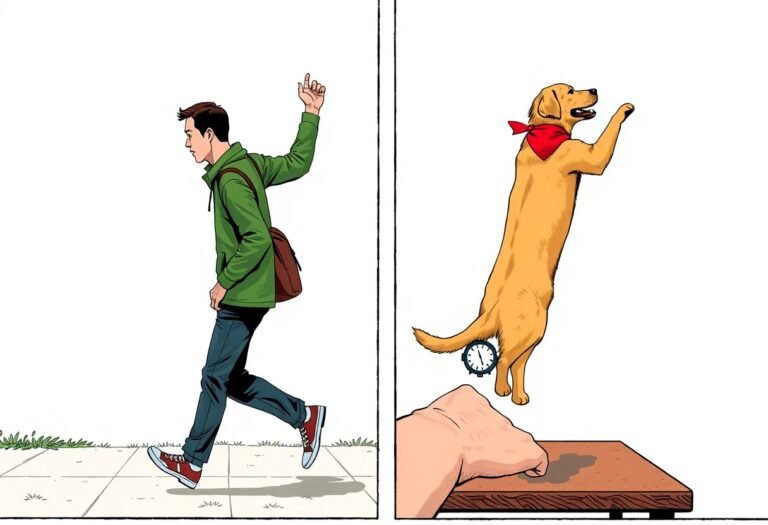
Deliver the reward within one second of the target behavior to forge a clear association; many trainers use a 0.5-1.0 second window. Keep sessions short-5 minutes, 3-5 times daily-and end on success to preserve motivation. Use identical cues and criteria among all handlers so your dog receives consistent feedback. Avoid delayed rewards or shifting criteria, which dilute the learned link between action and outcome.
Use the clicker as a timing bridge when your hands are full, then feed or play immediately. Start with continuous reinforcement, then move to intermittent schedules (reward every 2-5 responses) once behavior is ~80% reliable; this increases persistence. Log brief notes-date, duration, success rate-to track progress and align all caregivers on reinforcement rates and cue criteria.
The Role of Environment
You can dramatically influence obedience by controlling where and when you train: short, focused sessions of 5-15 minutes produced far better learning than marathon drills, and spacing those sessions across the day increases retention. Change just one variable at a time-lighting, scent, or background noise-and you’ll see which triggers your dog. For many dogs, a sequence of progressive distractions (start with zero, add one every 3-5 successful reps) stabilizes responses faster than random exposure.
Impact of Surroundings on Behavior
Noise, movement, and smells shape choices your dog makes: busy streets, other dogs, or sudden loud sounds frequently cause failure to obey even well-trained cues. A calm backyard or a quiet room reduces competing stimuli so your dog can focus; when you introduce a café or park, expect a temporary drop in performance and plan for more repetitions. Gradual exposure-two to three new distractions at a time-helps generalize commands without overwhelming your dog.
Creating a Training-Friendly Space
You should set up a consistent area: a 3×3 meter (10×10 ft) zone free of clutter, with non-slip flooring and a visible mat as a target. Keep only the equipment you’ll use-treat pouch, clicker, leash-and remove toys unless they serve as controlled rewards. Use a low-level ambient sound or white noise if external noise is unavoidable to reduce startle responses.
In practice, equip the space with a reward hierarchy (low-, medium-, high-value treats) and rotate rewards to maintain interest; log session outcomes so you can see progress numerically (success rate, errors per 10 cues). You can also mark boundaries with cones for distance work and place a small crate or bed for reliable recall practice; these concrete cues speed learning and give your dog clear physical reference points.
Building a Strong Bond
Trust and Respect in the Owner-Dog Relationship
When you set predictable rules and routines (feeding, walks, training at the same times), dogs form secure expectations; mutual gaze increases oxytocin in both of you, deepening attachment. Use short 10-15 minute training sessions to build respect, rewarding calm compliance with treats or praise. Avoid harsh physical corrections, which erode trust and can provoke fear-based responses. Consistent limits plus positive reinforcement make your dog more likely to choose cooperation over submission.
Activities to Strengthen the Bond
Introduce games like scent work, tug (with a clear release), and structured play so you connect while teaching impulse control; scent games for 5-15 minutes daily boost focus and reduce anxiety, and tug paired with a release cue teaches self-control. Rotate activities to prevent boredom, add short obedience drills after play to reinforce learning, and track progress weekly to see measurable gains in attention and compliance.
You should start scent work by hiding five high-value treats in easy-visible spots, increasing difficulty over 2-3 weeks and keeping sessions to 5-10 minutes so reward value stays high. For tug, use a three-step routine: engage, play with intermittent pauses, then cue “out” before returning the toy to reinforce impulse control. A sample week: five 10-minute scent sessions, three structured walks with focus drills, and two 20-minute play/training mixes-many owners report improvement in 2-4 weeks when activities are consistent.
To wrap up
Following this, when you align training with your dog’s natural communication, social motivations, and impulse controls, you build predictable expectations that increase obedience; by using consistent cues, managing environment, and reinforcing appropriate behaviors you shape reliable responses while minimizing stress, so your dog learns more quickly and sustains good behavior in everyday situations.
FAQ
Q: How does understanding canine social behavior and communication improve my dog’s obedience?
A: Dogs evolved as social animals with subtle communication signals and predictable social rules. Learning to read tail carriage, ear position, lip tension and calming signals lets you intervene before stress triggers disobedience. Use consistent, simple cues and body language: approach calmly, avoid looming over a nervous dog, mark correct responses immediately, and offer clear, timed rewards. Structure expectations (consistent mealtimes, rules for furniture or doorways) provides predictability that lowers anxiety and increases willingness to follow commands. Practical steps: observe your dog’s stress threshold, teach alternative behaviors (sit instead of lunging), reward relaxed responses, and keep handling interactions calm and brief to build cooperative responses rather than conflict.
Q: Which natural motivations and reinforcement patterns based on ethology speed up training?
A: Training is far more efficient when rewards match the dog’s natural drives: food for scavenging-motivated dogs, play for those driven by social interaction or prey play, access to toys or outings as functional rewards. Start with continuous reinforcement for new behaviors, then shift to variable schedules to strengthen persistence. Short, frequent sessions timed to the dog’s energy peaks (after rest for focused learning, after mild activity for overly excitable dogs) improve retention. Use shaping and successive approximation for complex tasks, and combine social praise with tangible rewards so cues generalize across contexts. Prevent satiation by varying reward type and intensity: high-value treats for difficult steps, lower-value treats for maintenance.
Q: What environmental and management strategies derived from ethology reduce problem behaviors and boost obedience?
A: Manage the environment to reduce triggers and give dogs outlets for species-typical behaviors. Provide scent games, foraging feeders, appropriate chew toys and daily exercise to satisfy olfactory, exploratory and predatory drives. Use gradual desensitization to lower reactivity thresholds: introduce the stimulus at a distance below the dog’s threshold, pair with high-value rewards, and slowly close distance while maintaining calm responses. Create reliable routines and safe zones so the dog can predict outcomes and recover when stressed. When unwanted behavior appears, redirect to an incompatible, reinforced alternative (e.g., fetch instead of chasing), and incrementally raise expectations as the dog succeeds rather than attempting abrupt corrections.