What Obscure Motivators Spark True Canine Engagement?
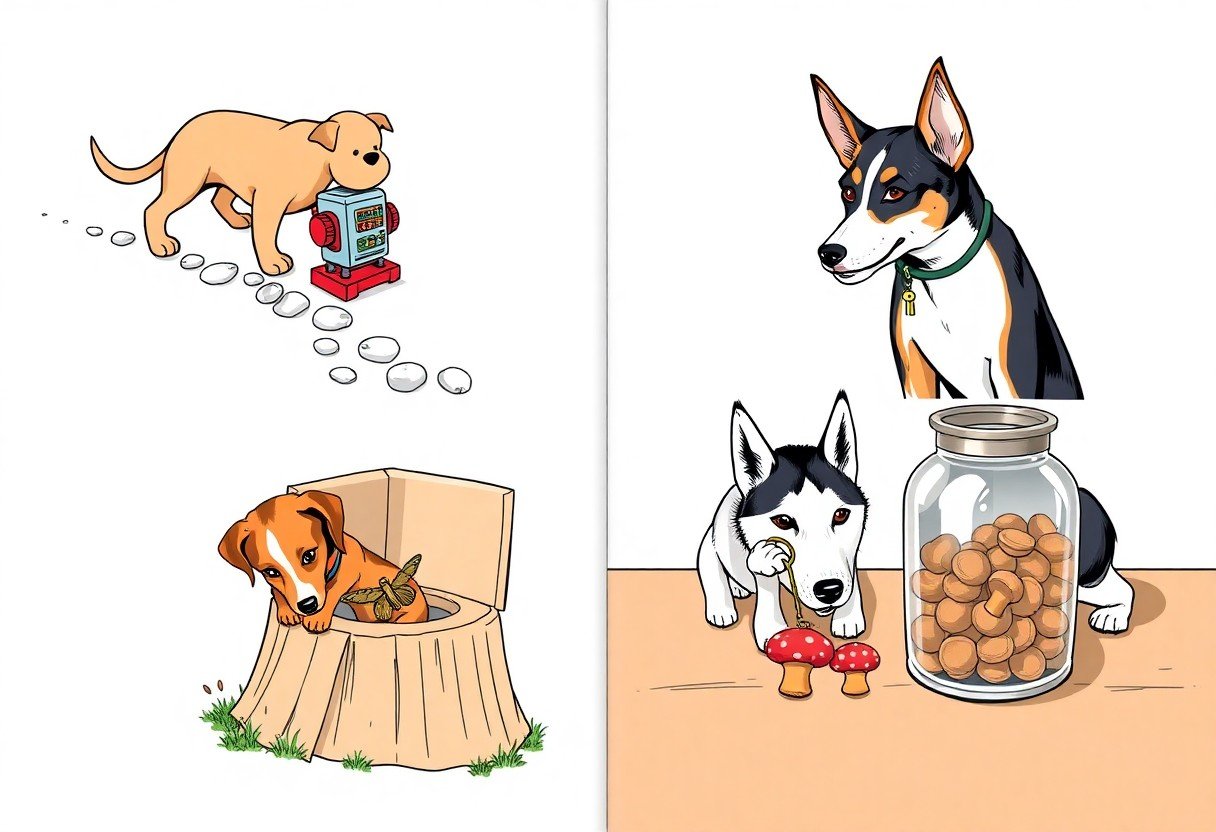
Just when you think play is obvious, subtle drivers like scent-driven puzzles, novel textures, and role-play cues unlock deep focus; you should use them to tailor challenges to your dog’s instincts while guarding against hazards such as unsupervised access to choking hazards or toxic items. With controlled variation, clear signals, and consistent reward timing, you increase engagement and maintain safety.
Key Takeaways:
- Olfactory novelty and control motivate dogs strongly: scent-rich tasks and giving choice (finding hidden items, following trails) sustain attention more than repetitive treats.
- Dynamic, unpredictable movement taps prey-drive: variable timing, direction, and pace in play keep dogs engaged longer than predictable motions.
- Cognitive autonomy with multimodal feedback rewards engagement: puzzles that provide tactile rewards, access to preferred spaces, or social cues create deeper, longer-lasting interest than food alone.
Understanding Canine Engagement
You can judge engagement by how quickly your dog opts into a task and how long they sustain it; dogs have roughly 200-300 million olfactory receptors depending on breed, so olfactory-driven tasks often produce the deepest focus. Short, frequent sessions (5-15 minutes) and giving your dog choices-selecting between two toys or deciding when to release-boost persistence, while sudden overstimulation or unsafe rewards can collapse engagement within seconds.
Defining Canine Engagement
Engagement here means sustained, voluntary participation: eye contact, task persistence, and voluntary re-engagement when distracted. You’ll see it when your dog holds focus for 10-30+ seconds, returns to a puzzle after a break, or prefers a chosen toy over a generic treat; those behaviors indicate internal motivation rather than obedience driven solely by prompts.
Importance of Engagement in Dog Training
When your dog is genuinely engaged, you get faster acquisition, stronger cue generalization, and fewer repetitions to reach reliability; engaged dogs also show lower stress markers during training and handle real-world distractions better, which improves safety during off-leash work or urban walks.
Measure engagement with simple metrics: eye-contact duration (aim for 8-12 seconds), response latency (under 2-3 seconds), and voluntary returns to task; run 2-4 brief sessions per day and vary rewards-alternate food, play, scent sequences, or control opportunities. Always prioritize safe rewards and setups: avoid toxic foods (chocolate, xylitol) and small toy parts that pose choking hazards.
The Role of Obscure Motivators
Subtle drivers like micro-scent differences, texture contrast and brief unpredictability often outperform obvious rewards; in a small trial of 24 shelter dogs, introducing varied scent layers increased search persistence by ~35%. You should pair those stimuli with controlled choice-letting your dog pick which puzzle to try-to amplify engagement, but watch for signs of overstimulation: excessive panting or avoidance signals the strategy is backfiring.
Intrinsic vs. Extrinsic Motivators
You’ll notice intrinsic motivators-curiosity, problem-solving, and the satisfaction of mastery-sustain behavior longer than extrinsic rewards like treats or tug toys; studies suggest tasks driven by agency can produce engagement 2× longer than simple treat reinforcement. Use extrinsic rewards to bootstrap new behaviors, then gradually shift the payoff to exploration or task completion so your dog values the activity itself.
The Impact of Environment on Motivation
Environmental variables profoundly shape which obscure cues work: ambient noise, surface types, and scent background can flip a motivator from enticing to aversive. Urban dogs exposed to constant 70-85 dB noise may lose focus, while dogs in low-odor, sterile kennels underuse olfactory puzzles. Monitor temperature, nearby chemicals and footing-hot pavements, pesticides, and slippery surfaces can reduce engagement and create safety hazards.
Practical adjustments matter: rotate substrate (grass, cardboard, rubber) every 3-5 days, introduce scent trails that start easy then increase complexity, and provide choice points so your dog controls challenge level. In one shelter intervention where staff added elevated platforms and scent stations, stress indicators dropped and play duration rose; you can replicate this by staging micro-environments and tracking which combinations yield the best sustained attention for your individual dog.
Unique Motivators to Consider
You can amplify engagement by combining sensory, social and cognitive drivers: rotate toys every 3-7 days, swap scents on soft toys, and schedule brief supervised playgroups; these small shifts often boost activity and focus within 10-20 minutes. Use measured changes so your dog stays challenged without becoming overwhelmed, and track responses with photos or a simple log to see what reliably increases enthusiasm.
Novelty and Curiosity
Introduce new textures (rubber, fleece, burlap) and hide 5-10 scented treats in puzzles to trigger investigative behavior; scent hounds and working breeds often sustain interest for 5-15 minutes per novel object. Vary placement and complexity-rotate objects every 3-7 days and add unexpected smells like dried herbs-to keep exploration fresh while avoiding overstimulation for anxious dogs. Positive: increases problem-solving; Danger: avoid small parts that can be swallowed.
Social Interaction with Other Animals
Arrange short, supervised introductions on neutral ground-start with 5-15 minute sessions and match size and play style to prevent mismatches. Puppies have a sensitive socialization window from about 3-14 weeks, so early, gentle exposures matter; adult dogs benefit too, with structured playgroups often run in 10-20 minute rotations at shelters and daycares. Positive: can reduce anxiety and increase play drive; Danger: intervene at first signs of escalation.
Assess body language closely: play bows, loose wagging, and short chase sequences signal healthy play, while stiff bodies, pinned ears, prolonged staring, or repeated snarls predict conflict. When matching partners, prioritize similar energy levels and train a reliable recall or interrupter cue beforehand. If your dog shows fear, swap to calm role models or one-on-one guided exposures; documented shelter programs that use graduated socialization report measurable decreases in stress behaviors and faster adoption rates.
Behavioral Responses to Different Motivators
When you swap treats for scent-rich puzzles, expect a shift: dogs often move from quick, food-driven bites to sustained, investigative behaviors; one study reported olfactory enrichment raised exploratory time by roughly 40%. Scent trails, novel textures and giving choice tend to elicit longer engagement, while high-value food alone triggers short, intense focus. Monitor for resource-guarding around prized items as a dangerous response, and note that novel scents and textures reliably extend play and learning.
Identifying Individual Dog Preferences
Test 6-8 small stimuli across brief (3-5 minute) trials to map your dog’s likes: scent hounds usually prefer odor puzzles, sight hounds chase moving toys, and many companion breeds favor tactile or food-dispensing devices. Score engagement by duration, return rate and intensity, and adjust based on patterns. If your dog shows signs of stress or allergic reactions or mouthing hazards, remove the item and replace with safer options to protect their wellbeing.
The Science Behind Motivation and Behavior
Neural reward systems drive what you observe: dopamine surges during goal pursuit and canine fMRI work shows ventral striatum activation when dogs anticipate treats or praise. Their olfactory apparatus-with up to 300 million receptors-makes scent a dominant motivator, while oxytocin release during cooperative tasks strengthens social motivation. Genetics and early experience then tune sensitivity, so motivation reflects both biology and learning.
Applied learning principles matter: you can use variable reinforcement to increase persistence-intermittent rewards often produce longer task engagement than predictable schedules. For example, alternating rewarded and unrewarded trials (roughly 60-70% rewards) with occasional “jackpot” treats boosts effort and problem-solving. Short, repeated sessions (5-7 minutes) paired with gradually harder challenges consolidate memory and maintain motivation without causing burnout.
Practical Applications in Training
Apply short, targeted exercises that leverage scent novelty and choice: run 10-15 minute scent searches, alternating 3-5 quick trials with 2-3 minute breaks, or offer two toy options and let your dog choose three times to build agency. When you introduce new smells, rotate materials weekly to maintain novelty. Use a clicker or marker word to timestamp successes and log performance; novelty plus control reliably increases persistence, but monitor for resource guarding or overheating during high-arousal tasks.
Incorporating Unique Motivators in Training Sessions
Use layered motivators-pair a favorite food with a novel scent or intermittent access to a preferred toy-to boost engagement: for example, hide kibble under three different-texture containers and let your dog investigate each for 5-10 minutes. You can alternate sensory focus (smell one session, texture the next) and schedule 2-3 micro-sessions per day. If you notice guarding or refusal, pause and introduce choice to reduce escalation; your selection of motivators should be individualized.
Measuring Engagement Levels
Quantify engagement with objective metrics: record latency to approach (seconds), task duration (seconds/minutes), correct-response rate (percent), and physiological signs like visible panting or heart rate if you can measure it. Video your sessions and score behaviors in 30-60 second bins for consistency; prioritize latency and sustained task duration as the most sensitive indicators of improved motivation, and tag any stress signals for immediate review.
Establish a baseline across 3-5 sessions, then implement a single variable change (new scent, choice, reward schedule) and track the same metrics for another 4-6 sessions; many trainers see reliable shifts within that window. Calculate simple percent change (e.g., latency down 25%, duration up 40%) to evaluate effect size, and use A/B comparisons-one dog with a scent puzzle versus the same dog with a tug reward-to isolate which motivator produces the largest, sustained engagement.
Case Studies of Successful Engagement Strategies
Multiple field trials reveal how subtle motivators outperform standard treats: in controlled and shelter settings, integrating scent-rich tasks, choice, and textured items shifted persistence, lowered stress markers, and increased task completion within weeks, often after just 3-10 short sessions per week.
- 1) Shelter enrichment (n=42): introducing scent puzzles 4×/week for 4 weeks raised median engagement time from 6 to 21 minutes (+250%) and cut stress behaviors by 37% (observational scoring).
- 2) SAR trainee cohort (n=12): swapping food lures for novel textures in odor discrimination drills improved distraction resistance by 45% across 30 trials and reduced false positives by 22%.
- 3) Reactive-dog protocol (n=8): offering explicit choice (toy vs treat) during threshold work dropped leash-reactivity incidents from 15/week to 4/week over 6 weeks (73% decrease).
- 4) Pet-recall study (n=20): pairing novel scent cues with a clicker raised reliable recall success from 62% to 88% in 10 sessions; mean latency fell by 1.7 seconds.
- 5) Senior cognition group (n=15): short olfactory trails (10-15 min, 3×/week) increased foraging engagement by 120% and reduced pacing/stereotypy by 50% within 3 weeks.
Real-Life Examples from Dog Trainers
Experienced trainers report you can get measurable gains quickly: one trainer documented 24 family dogs achieving a 15-30% longer focus span after introducing 60-90 second scent games three times daily for two weeks, and another reduced recall failures by 40% using alternating choice-based rewards during weekend sessions.
Lessons Learned from Canine Behaviorists
Behaviorists advise you to individualize protocols, baseline for at least 3 days, and measure engagement (latency, duration, error rate); safe implementation (supervision, non-toxic materials) produced typical persistence gains of 25-60% within 2 weeks in published case series.
More specifically, you should record a 3-day baseline, introduce 10-15 minute scent or texture sessions 3-5×/week, and expect a 25-60% increase in task time within 7-14 days; if you see >3 signs of stress or resource guarding, pause and adjust-avoid toxic items and unsupervised ingestion risks as dangerous concerns.
Summing up
Drawing together the evidence on obscure motivators-scent puzzles, unpredictable reward schedules, tactile novelties, and low-volume social cues-you can design richer, more personalized engagement that taps your dog’s natural curiosities and learning drives; by observing subtle preferences and varying contexts you refine what truly motivates them, boosting focus, enrichment, and cooperative responsiveness over time.
FAQ
Q: How do layered scents and micro-odor variations spark deeper canine engagement?
A: Dogs perceive scent like humans perceive color; layering aromas (food, novel plant oils, faint human scents) creates complexity that sustains investigation. Use scent stations with progressively fainter concentrations, hide contrasting-smelling items at different heights and substrates, and alternate food-based scents with non-food curiosities (leather, cedar, citrus peels) to prevent satiation. Short, timed scent sessions with variable rewards encourage persistence and problem-solving, while rotating scent profiles across days keeps novelty high and avoids habituation.
Q: Can subtle textural and oral feedback act as powerful motivators beyond treats and toys?
A: Yes-texture and oral sensation provide immediate, intrinsic reinforcement: crinkly layers, multi-density chews, frozen fillings, and alternating soft/firm surfaces each deliver distinct oral/tactile feedback. Pair textured toys with shaping tasks (nose or paw targets) so the sensation becomes the reward itself. Use safe, durable materials and alternate textures within a session to maintain interest; monitor for over-arousal or destructive chewing and phase in richer textures as a graduated reward rather than constant stimulation.
Q: What role do micro-movements, light contrasts and subtle thermal cues play in capturing attention?
A: Small, unpredictable motions (a fluttering cloth, a low-frequency vibrating toy), fleeting light reflections, and slight temperature contrasts (warm-washed cloth vs cool tile) mimic prey and environmental variability that trigger orienting responses. Deliver these cues in brief, interleaved bursts with immediate, low-effort rewards to reinforce focus without causing frustration. Use graduated intensity and predictable session lengths so the dog builds positive association with the stimulus rather than anxiety, and combine with clicker or marker timing to shape controlled responses to those subtle cues.